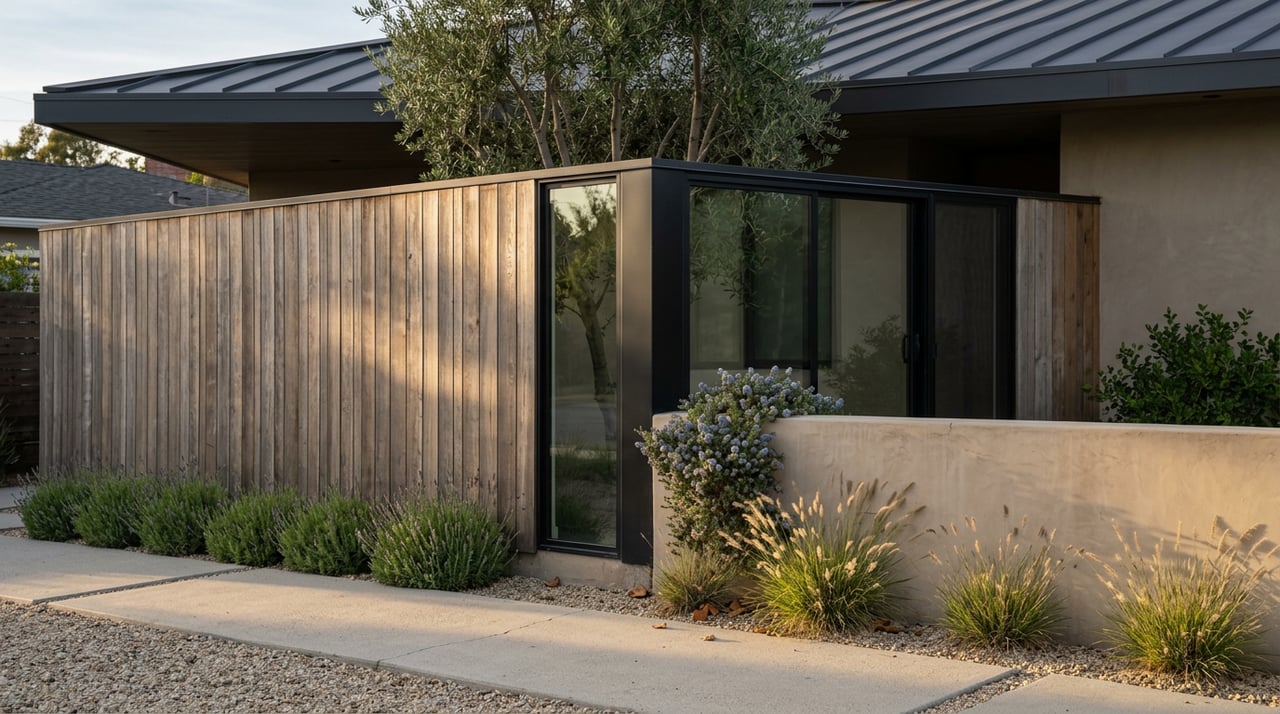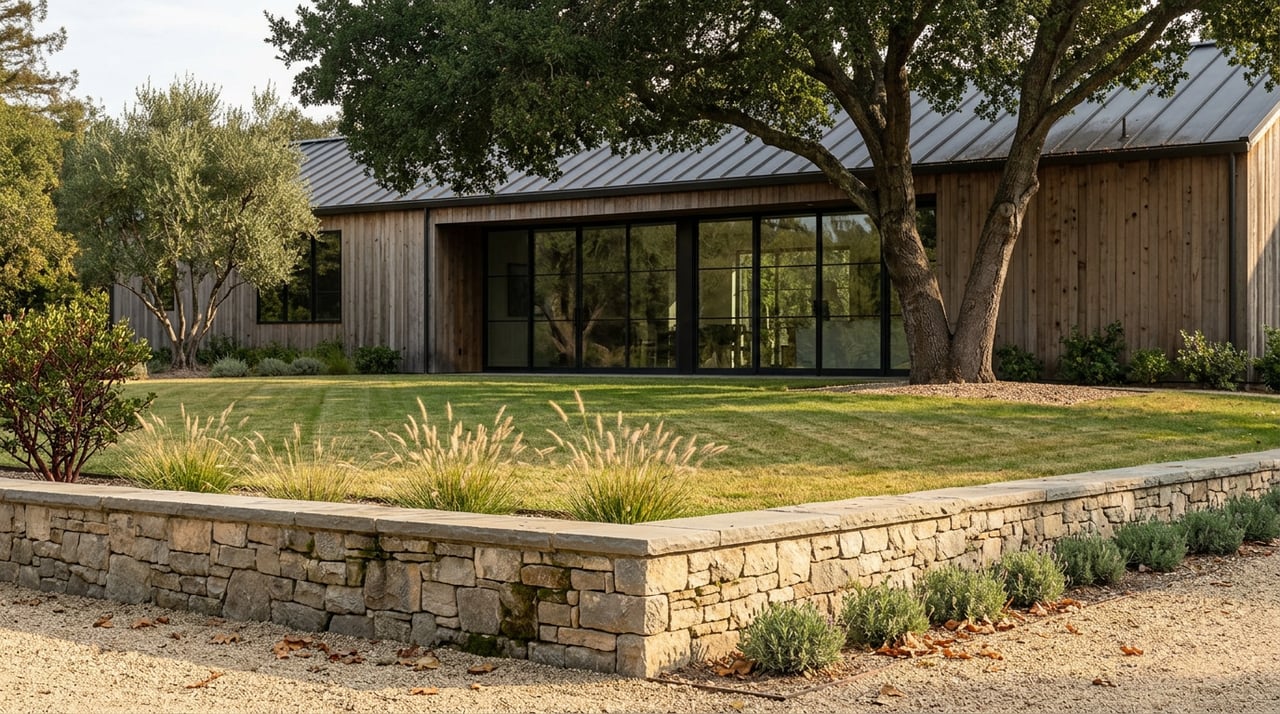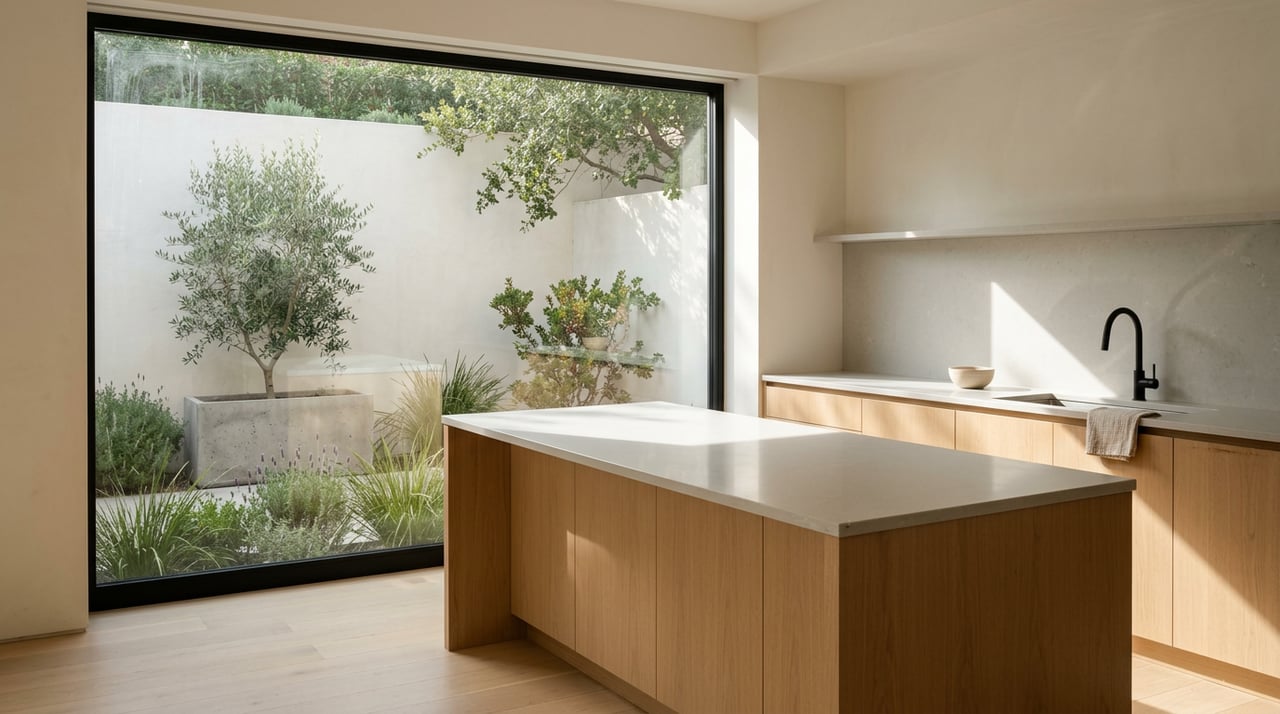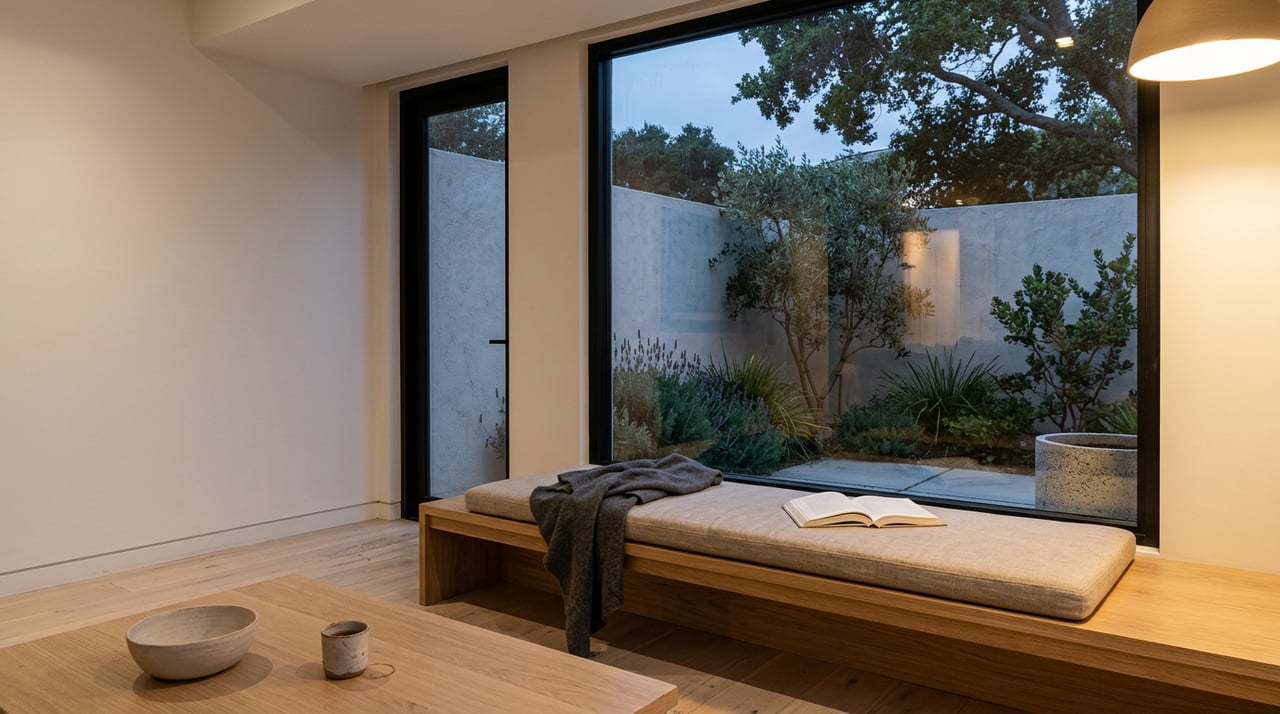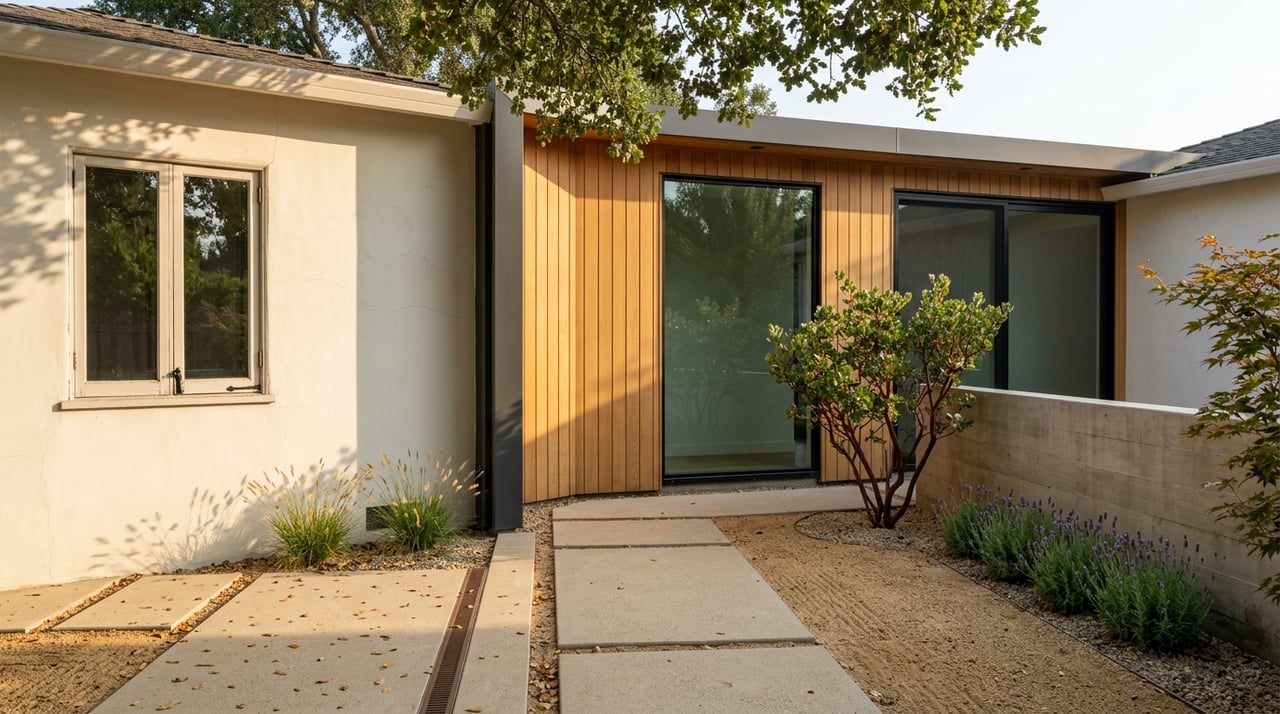
If you are house hunting in Menlo Park, “new versus established” sounds like a simple choice. In reality, it often means weighing property type, location, upkeep, and long-term fit in one of the Peninsula’s most established and expensive markets. Understanding how Menlo Park’s housing stock is actually built can help you make a more confident decision. Let’s dive in.
Menlo Park housing stock matters
Menlo Park is not a market filled with brand-new detached subdivisions. According to the city’s housing element, 45.6% of homes were built between 1940 and 1959, 29.1% were built between 1960 and 1979, and only 3.9% were built in 2010 or later.
That age profile shapes your options right away. It means most buyers are choosing among established homes, while newer inventory tends to appear in a smaller number of redevelopment areas rather than across the whole city.
Menlo Park is also a high-price market. Redfin reports a median sale price of about $3.3 million over the last three months, so your choice is not just about age. It is often about whether you want a newer attached home or a more traditional detached property.
What “new” usually means here
In Menlo Park, a newer home often means infill or redevelopment housing. The city’s under-construction and approved projects point to mixed-use buildings, apartments, condos, and townhomes in places like El Camino Real, Independence Drive, Sheridan Drive, and Willow Village.
That is an important local detail. If you picture a brand-new single-family neighborhood, Menlo Park usually does not offer that at scale. Instead, newer homes are more likely to be clustered in corridor projects or on redeveloped sites.
New homes may feel more turnkey
One of the biggest draws of newer homes is efficiency and systems performance. California’s 2025 Energy Code, which took effect January 1, 2026 for permit applications submitted on or after that date, increased energy efficiency standards for new homes and major renovations and encourages features like heat pumps.
For you, that can translate into a home that feels more move-in ready from a systems standpoint. Newer construction may reduce the chance that you will need to tackle immediate upgrades related to comfort, efficiency, or major components.
Newer does not always mean bigger
This is where Menlo Park buyers can get tripped up. A newer home may have modern finishes and a more efficient layout, but it may also come with a different ownership structure, shared walls, or a location inside a mixed-use or redevelopment setting.
That means the real comparison is not just age versus age. It is often newer townhome or condo versus established detached home, and those are very different living experiences.
What established homes usually offer
Established homes are the core of Menlo Park’s housing market. The city notes that single-family neighborhoods make up more than two-thirds of residential land, and the community profile describes the area as having tree-lined neighborhoods.
For many buyers, that is a big part of the appeal. Established homes often place you in the traditional neighborhood fabric that many people associate with Menlo Park, with more parcel-by-parcel variety in lot shape, architecture, and floor plan.
Older does not automatically mean poor condition
It is easy to assume that an older home will come with major issues, but local data shows a more balanced picture. Menlo Park’s 2021 housing conditions survey found that 96.8% of surveyed homes were in sound condition.
The same survey found that 2.1% needed minor repairs, 0.9% needed moderate repairs, 0.2% needed substantial repairs, and one home was dilapidated. So while condition varies, established housing in Menlo Park is not automatically distressed housing.
Established homes need closer due diligence
Even when an older home looks beautifully maintained, it may still involve more layers of review. Menlo Park’s guidance on nonconforming structures explains that older legally built homes may not conform to current setback or daylight-plane rules, and new work still needs to meet current standards.
That matters if you are thinking about remodeling. Cosmetic updates may be straightforward, but additions or more significant changes can become more complicated depending on the home’s existing configuration.
Pre-1978 homes need extra care
Because most of Menlo Park’s homes were built before 1980, lead-based paint is an important issue to keep in mind. The EPA notes that homes built before 1978 are more likely to have lead-based paint.
That does not mean you should avoid older homes. It means you should approach inspections, renovation planning, and future maintenance with care and with a clear understanding of what the property may require.
How to compare new and established homes
The best way to approach this decision is to focus on your priorities. In Menlo Park, the “right” home is usually the one that best matches how you want to live, what level of upkeep you are comfortable with, and how you want your budget to work.
Here are a few practical trade-offs to consider.
Choose newer if you want predictability
If you want cleaner layouts, newer systems, and fewer near-term upgrade projects, newer housing may be a better fit. It can appeal to buyers who want a more streamlined move and less immediate maintenance planning.
The trade-off is supply. Newer choices are less common in Menlo Park, and many of them are attached homes or part of redevelopment projects rather than detached single-family properties.
Choose established if you want classic neighborhood fabric
If you are drawn to traditional streetscapes, mature surroundings, and the possibility of a classic single-family lot, established homes will usually offer more options. This is especially relevant in a city where most of the housing stock is older and where larger homes make up a meaningful share of the inventory.
The trade-off is that you should plan for more due diligence. Inspection findings, maintenance history, older systems, and future renovation limits can all matter more with established properties.
A simple side-by-side view
| Priority | Newer Homes in Menlo Park | Established Homes in Menlo Park |
|---|---|---|
| Typical inventory | Often townhomes, condos, or mixed-use redevelopment housing | Mostly older single-family homes and long-established housing stock |
| Condition | More likely to feel turnkey | Varies by property and maintenance history |
| Energy performance | Often benefits from newer code standards | May need future upgrades over time |
| Neighborhood setting | Often concentrated in corridors or redevelopment sites | More often in traditional residential areas |
| Remodel complexity | Usually less immediate concern for systems | May involve nonconforming structure questions |
| Buyer fit | Buyers seeking lower near-term maintenance | Buyers seeking traditional detached-home character |
Why this choice feels especially nuanced in Menlo Park
In some markets, the decision between new and established homes is mostly about style preference. In Menlo Park, it is more nuanced because newer supply is limited and concentrated in specific redevelopment areas.
The city’s housing element points to higher-density growth around downtown and El Camino Real, along with additional housing on former nonresidential sites. So when you shop for newer homes, you are often shopping a very specific segment of the market rather than a citywide spread of options.
That is why buyers benefit from comparing more than finish level. Layout efficiency, ownership structure, maintenance expectations, and location context often matter just as much as the year the home was built.
How to make the best decision for you
If you are deciding between a newer home and an established one in Menlo Park, start by narrowing your must-haves. Think about whether you care more about a detached layout, lower maintenance, remodeling potential, or a turnkey feel.
Then look at each home in the context of Menlo Park’s actual inventory. A polished newer townhome and a classic older single-family home may both be strong options, but they solve different problems and support different lifestyles.
A careful, local comparison can save you time and help you avoid chasing the wrong kind of inventory. If you want help weighing the trade-offs in Menlo Park, Annemarie Heynig can guide you through the options with clear, practical advice.
FAQs
Are new homes common in Menlo Park?
- Not really. Menlo Park’s housing stock is mostly older, and newer inventory is usually concentrated in redevelopment and mixed-use project areas rather than spread evenly across the city.
Do established homes in Menlo Park usually need major repairs?
- Not necessarily. The city’s 2021 housing conditions survey found that 96.8% of surveyed homes were in sound condition, though older homes still deserve careful inspections and maintenance review.
Does a newer Menlo Park home usually mean a detached house?
- Often, no. In Menlo Park, newer homes are frequently townhomes, condos, or mixed-use units rather than brand-new detached houses.
Are older Menlo Park homes harder to remodel?
- They can be. The city notes that older legally built homes may be nonconforming under current rules, so planned changes may need closer review for setbacks and other development standards.
Should you worry about lead-based paint in older Menlo Park homes?
- If the home was built before 1978, it is worth evaluating carefully. Because much of Menlo Park’s housing stock predates 1980, inspections and renovation planning are especially important for older properties.