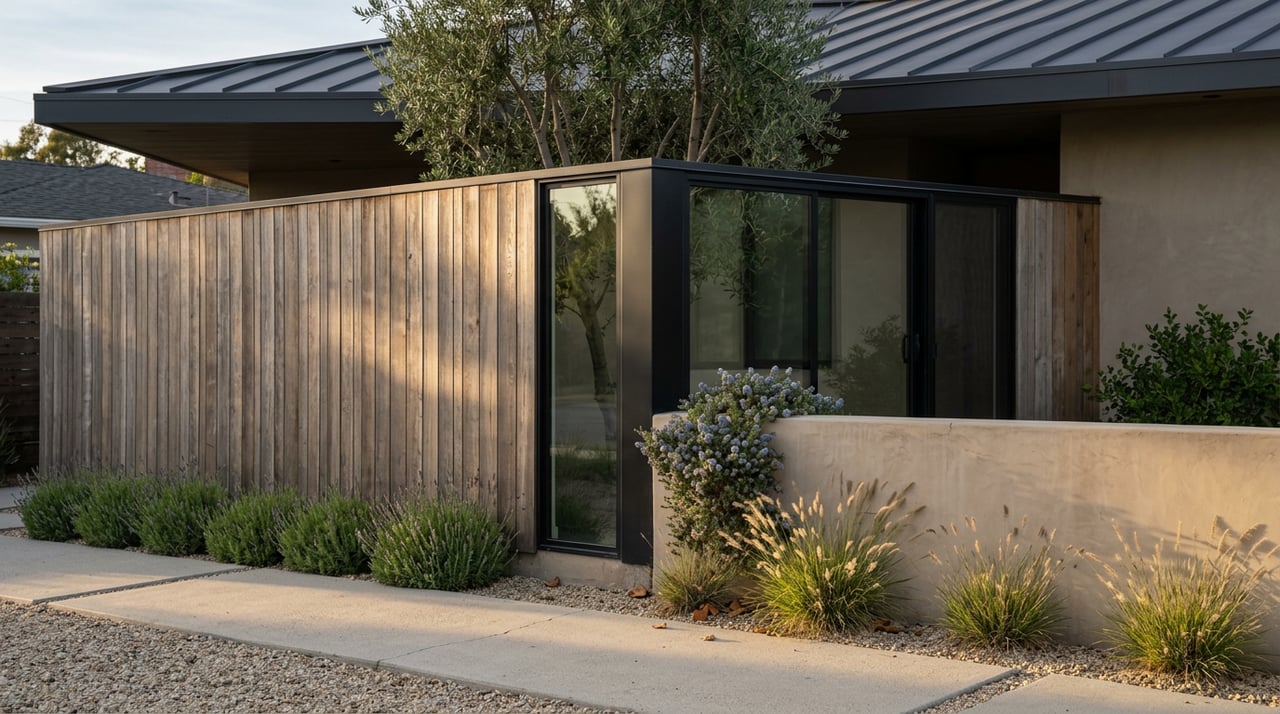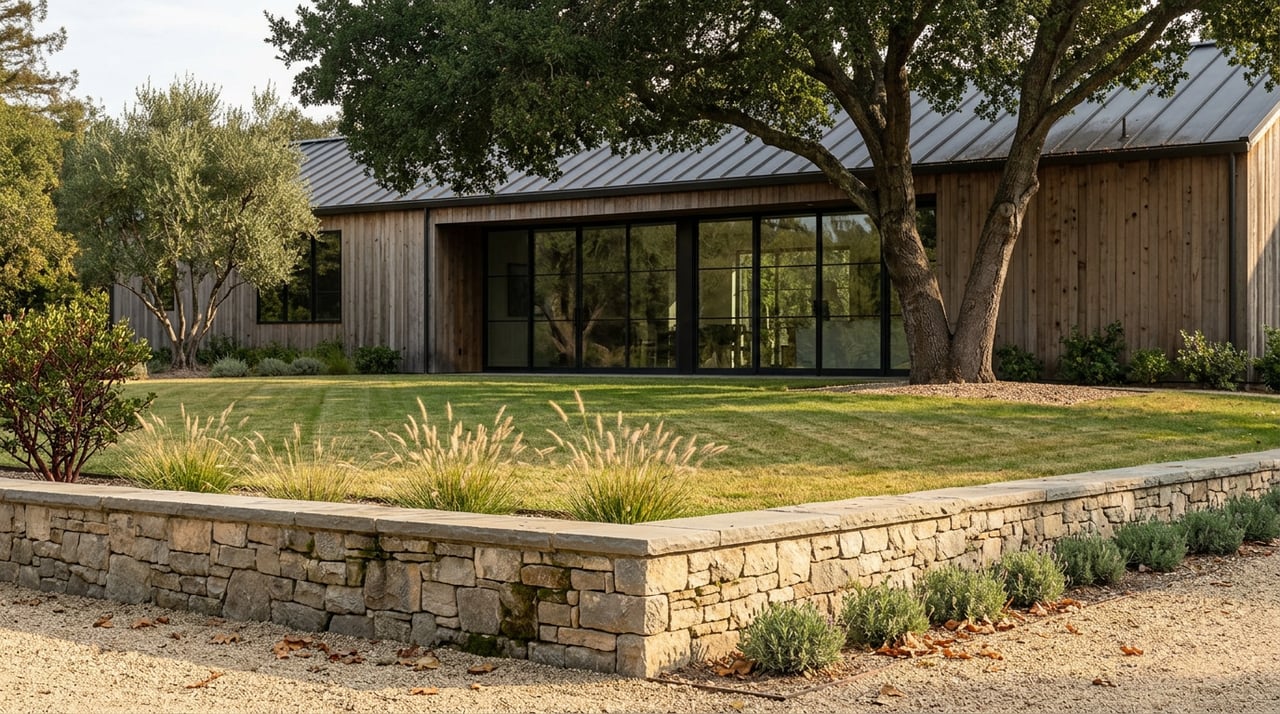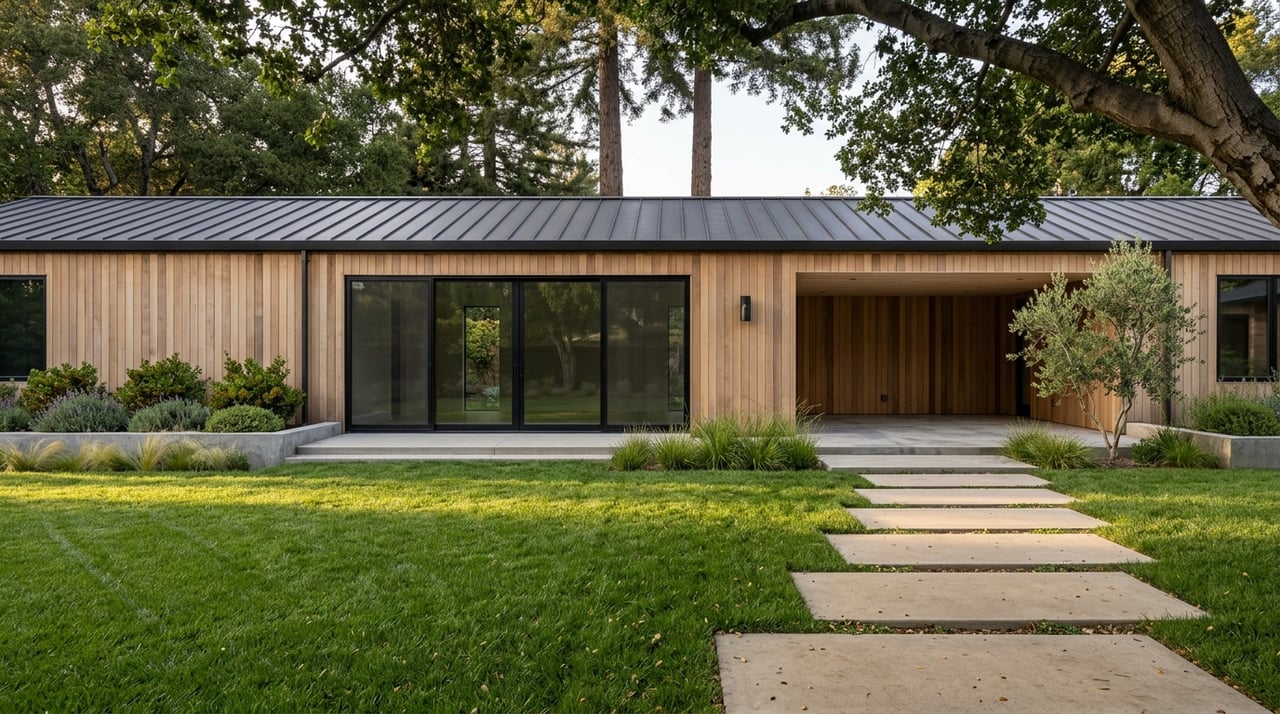
When you look at a luxury home in Atherton, the house is only part of the story. In many cases, the real question is how much of the property’s value comes from the land, the zoning, and the future options that lot creates for you. If you are buying, selling, remodeling, or weighing a rebuild, understanding that land-first logic can help you make a smarter decision. Let’s dive in.
Why land matters so much in Atherton
Atherton is a market where land scarcity plays a major role in value. According to the town’s Housing Element draft, Atherton has extremely few vacant lots, high real estate prices, and land valued at about $8 million per acre. That combination naturally shifts attention toward the parcel itself, not just the existing home sitting on it.
This matters because two properties with similar houses can carry very different value depending on lot size, zoning, configuration, and future building potential. The San Mateo County Assessor also notes strong assessed value growth countywide, with a large share of secured-roll growth tied to new construction and changes in ownership. In a market like Atherton, that reinforces how closely buyers and owners watch redevelopment potential.
The county assessor also separates land value from improvement value, meaning the land and the structures are treated as distinct parts of the property. That distinction is especially useful in Atherton, where the existing house may be less important than the lot’s size, shape, and allowable build envelope. It is also why cost per square foot can be an incomplete pricing shortcut when lot sizes differ significantly.
How zoning shapes property value
In Atherton, what you can do with a property depends heavily on the lot and its zoning. The town’s planning FAQ explains that buildability depends on the zoning district, lot size, lot configuration, and existing square footage. Atherton has two residential zones, R1A and R1B, and all residential land is single-family and low density.
That may sound simple, but the practical effect can be substantial. Under the town’s land use framework, R1A generally allows one dwelling per 43,560 square feet, while R1B generally allows one dwelling per 13,500 square feet. That means two large homes in Atherton can sit in very different value positions if one lot offers more flexibility or a more efficient building envelope than the other.
Key rules buyers and sellers should know
Atherton’s code and planning materials point to a few core variables that often shape value:
- Lot size
- Zoning district
- Lot configuration
- Slope and site conditions
- Floor area ratio, or FAR
- Setbacks and height limits
- Existing square footage already on site
For example, Atherton’s municipal code says that in R1A, the standard maximum height is 30 feet, with up to 34 feet allowed under specific conditions. The same code section also notes that front and rear yards are generally 60 feet, and that the maximum FAR is 18 percent of lot size, or a formula for smaller lots.
Accessory structures also count toward FAR in Atherton. That can affect how buyers evaluate guesthouses, pool houses, garages, and other secondary improvements. In other words, the value conversation is not only about whether a property is large, but also how efficiently that lot can be used under the rules.
Why lot size is not the whole story
It is easy to assume a larger lot always means more value, but Atherton is more nuanced than that. A large parcel with slope constraints, awkward configuration, or a less favorable zoning framework may not offer the same practical flexibility as another lot of similar size. That is why land value in Atherton is really about usable potential, not just raw square footage.
Subdivision standards are one example. Under Atherton’s municipal code, new lots on flatter sites generally require 1 acre, while steeper sites can require 2 acres or even 5 acres depending on the slope. If you are evaluating a property for future changes, those physical and regulatory details can influence what is realistic.
How land value affects remodel or rebuild decisions
For many Atherton homeowners, the biggest strategic question is simple: Should you remodel, rebuild, or sell as-is? In this market, that decision often starts with the relationship between the current house and the lot’s permitted build envelope.
If the existing home is older, undersized, or poorly positioned on the lot, a rebuild may unlock more long-term value. If the house already uses the parcel efficiently and still competes well in the luxury market, a thoughtful remodel may be the more practical choice. The right answer depends on the property’s zoning, current improvements, and your timeline.
Signs a rebuild may deserve a closer look
A rebuild conversation may become more relevant when:
- The home is materially smaller than what the lot may support
- The layout or placement limits functional use of the site
- The structure is dated enough that major renovation costs approach replacement logic
- Buyers are likely to focus more on the parcel than the current improvements
By contrast, a remodel may make more sense when the existing home already fits the lot well and remains competitive with current buyer expectations. In Atherton, that often requires a case-by-case review rather than a one-size-fits-all answer.
Tax considerations can change the math
Taxes are another important part of the decision. The San Mateo County Assessor explains that new construction is assessed at market value when completed, while the existing land and unchanged structures are not reassessed. For homeowners considering a substantial rebuild, that can materially affect the future tax base.
The assessor also notes that property tax is typically 1 percent of assessed value, plus bonds and special assessments. That does not mean a project is automatically a bad financial move, but it does mean your planning should include tax implications along with design and resale potential. For high-value Atherton properties, those numbers can become meaningful quickly.
ADUs can offer a middle path
Some owners are not ready for a full teardown or major rebuild but still want to improve utility and value. In certain cases, an ADU can serve as a middle-ground strategy. Atherton still applies local ADU rules, setbacks, and height limits, so feasibility depends on the specific parcel and existing improvements.
The town’s planning FAQ recommends meeting with a planner before submitting plans. That is smart advice, especially in a market where small regulatory details can affect both design and value.
Recent Atherton sales show land-first pricing
Recent local coverage supports the idea that Atherton buyers often place a premium on the future use of the lot. The SF Standard reported that a 1.157-acre lot at 123 Stockbridge Ave drew 14 offers and sold for $9.5 million, while 38 Elena Ave sold for $9.4 million and then resold six months later for nearly $1 million more. The same report described 57 Fairview Ave as a teardown, making clear that the parcel itself was central to the value.
The Almanac also reported a vacant Atherton lot sale at $18.5 million. It further noted that parcels of 20,000 square feet or more were drawing multiple offers and often selling $1 million to $2.5 million above asking. Those are strong signals that buyers in this market often underwrite what a property can become, not only what it is today.
What buyers should look for in Atherton
If you are buying in Atherton, it helps to think beyond finishes and staging. The real opportunity may lie in the lot’s dimensions, zone, setbacks, FAR, and how the existing house fits within those rules. A polished home on a constrained parcel may offer a very different long-term path than an older home on a more flexible site.
Before you make an offer, it can be worth asking:
- What zoning district is the property in?
- How much FAR may be available?
- Do existing accessory structures already consume buildable area?
- Are there slope or configuration issues that could limit future plans?
- Is the current house maximizing the lot, or underusing it?
These questions can help you compare properties more clearly, especially when list prices alone do not explain the full value picture.
What sellers should understand before pricing
If you are selling in Atherton, your pricing strategy should reflect more than interior finishes or recent cosmetic upgrades. Buyers may be placing significant value on the lot itself, especially if the parcel offers appealing dimensions, strong usability, or rebuild potential.
That means your pre-sale plan should identify what the market is most likely to reward. In some cases, presentation and light improvements can help buyers see the value of the existing home. In others, the best strategy may be to market the property with clear attention to lot attributes, zoning context, and future possibilities.
A careful, property-specific review can help you avoid two common mistakes: underpricing a land-driven asset or overspending on improvements the market may not value. In a place like Atherton, that kind of discipline matters.
Making a smart Atherton decision
Atherton luxury real estate is rarely just about the house. It is often about the land underneath it, the rules that govern it, and the future use a buyer or owner can realistically achieve. When land is scarce and expensive, those factors shape pricing, strategy, and timing in a very real way.
Whether you are deciding to buy, sell, remodel, or rebuild, the best next step is a clear-eyed review of the parcel, the zoning, and the likely market response. If you want a thoughtful, data-informed plan for your Atherton property, connect with Annemarie Heynig for a tailored conversation.
FAQs
How does land value affect luxury home prices in Atherton?
- In Atherton, land value can be a major price driver because vacant land is scarce, lot sizes vary, and zoning rules shape what a buyer may build or improve in the future.
What zoning rules matter most for Atherton property value?
- The most important factors often include zoning district, lot size, FAR, setbacks, height limits, slope, lot configuration, and whether existing accessory structures already count toward allowable floor area.
Should Atherton homeowners remodel or rebuild?
- That depends on how well the current home uses the lot, how competitive the structure is today, and whether the parcel may support a more valuable future improvement under current rules.
Do rebuilds in Atherton affect property taxes?
- Yes. According to the San Mateo County Assessor, new construction is assessed at market value when completed, which can change the tax base even if the land itself is not reassessed.
Why can cost per square foot be misleading in Atherton?
- The county assessor notes that cost per square foot can be misleading when lot sizes differ, because the parcel’s size and potential may contribute heavily to overall value.