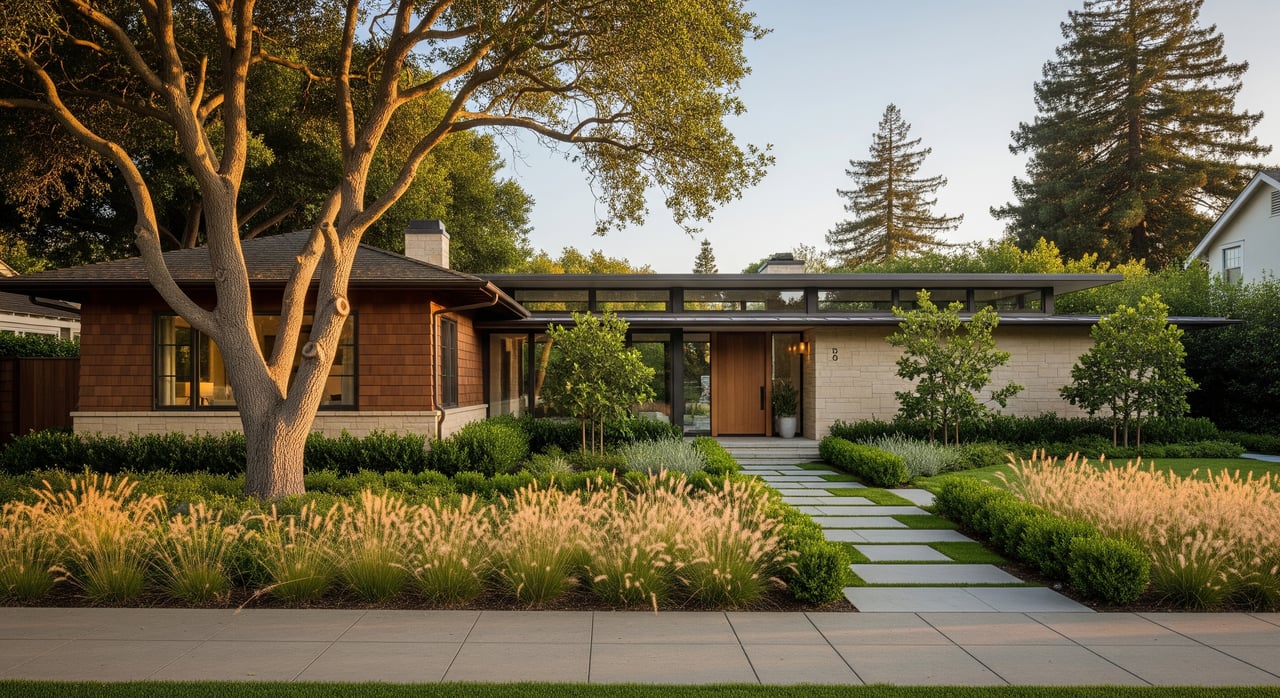
Do you ever walk past a Palo Alto home and wonder what story its style tells? You are not alone. In a city shaped by Stanford, tech, and decades of design trends, each façade hints at how the home lives and what it may need. In this guide, you will learn the most common Palo Alto architecture styles, how they feel day to day, what to inspect before you buy, and where you are likely to find them. Let’s dive in.
Why Palo Alto looks this way
Palo Alto’s neighborhoods grew in waves. Early homes appeared around Stanford and near downtown, followed by a surge of Craftsman bungalows and revival styles in the 1910s through the 1930s. After World War II, postwar tracts and mid-century modern designs expanded across South and Central Palo Alto. In recent decades, remodels and contemporary infill have layered in new materials, glass, and open plans.
These eras matter because age often predicts layout, systems, and maintenance. Older homes can come with original wiring or windows. Mid-century homes may need energy upgrades. If a property sits within a historic area, exterior changes could require review. Before you fall in love with a style, it helps to know how it lives and what it asks from you as an owner.
Style guide: what to expect
Craftsman / Bungalow
- Era: roughly 1905 to 1930.
- Exterior signs: low gabled roofs, wide eaves with exposed rafters, porches with tapered or square columns, wood siding.
- How it lives: cozy, efficient rooms with strong porch-to-living flow. Many are one to one-and-a-half stories. Larger examples may have upstairs bedrooms, but much of the living happens on one level.
- What to watch: wood siding and trim need regular paint care. Original windows, built-ins, and woodwork are prized and worth preserving. Expect upgrades like insulation, modern HVAC, and electrical if they have not been done. Roofing may be at mid to late life.
- Best fit: you value character, natural materials, and a warm scale. You are open to targeted updates.
- Where you will see it: early residential cores near downtown, including Old Palo Alto, Professorville, and parts of Crescent Park.
Victorian / Queen Anne
- Era: late 19th to early 20th century, often in historic pockets.
- Exterior signs: asymmetry, bay windows, steep roofs, and detailed trim. Interiors can feature ornate finishes and tall ceilings.
- How it lives: more formal room divisions and multiple levels. Porches and street-facing ornament are part of the experience.
- What to watch: decorative wood exteriors need consistent maintenance. Older plumbing and electrical systems are common. If located in a historic district, exterior changes may require review.
- Best fit: you appreciate landmark charm and scale and accept higher upkeep.
- Where you will see it: concentrated in older neighborhood pockets near the early city core.
Spanish Colonial / Mediterranean Revival
- Era: 1920s to 1930s, with later custom examples.
- Exterior signs: stucco walls, red clay tile roofs, arched entries and windows, wrought iron, and courtyards.
- How it lives: indoor and outdoor spaces connect through patios and courtyards. Plans can be single level or two stories with a warm, Mediterranean feel.
- What to watch: stucco and clay tile roof care. Older mechanicals may need updating. Where solid masonry elements exist, consider seismic improvements.
- Best fit: you want privacy, courtyards, and indoor-outdoor flow.
- Where you will see it: scattered through older neighborhoods and on custom lots citywide.
Tudor Revival / Colonial Revival
- Era: 1910s to 1930s, with some later customs.
- Exterior signs: Tudor shows steep roofs, half-timbering, and leaded windows. Colonial Revival tends toward symmetrical façades with multi-pane windows and classical entries.
- How it lives: original interiors can be compartmentalized and formal. Many have been remodeled to open the main level for modern living.
- What to watch: roofing complexity and attic insulation can be pain points. Chimneys, windows, and mixed materials need care.
- Best fit: you prefer traditional curb appeal with the option to modernize inside.
- Where you will see it: Old Palo Alto, Crescent Park, and early residential districts.
Mid-century Modern (including Eichler)
- Era: 1940s to 1960s.
- Exterior signs: flat or low-pitched roofs, post-and-beam lines, large panes of glass, and simple geometry. Eichlers may include atriums and radiant heat.
- How it lives: open plans and strong yard connection are the hallmark. Many are single level with abundant light.
- What to watch: original single-pane glass, roofs with minimal insulation, and radiant systems that may be original. Energy upgrades and selective seismic anchoring are common projects. Skylights, atria, and post-and-beam junctions deserve careful inspection.
- Best fit: you value minimalist design and indoor-outdoor living.
- Where you will see it: South and Central Palo Alto postwar neighborhoods with pockets of Eichler or Eichler-style tracts.
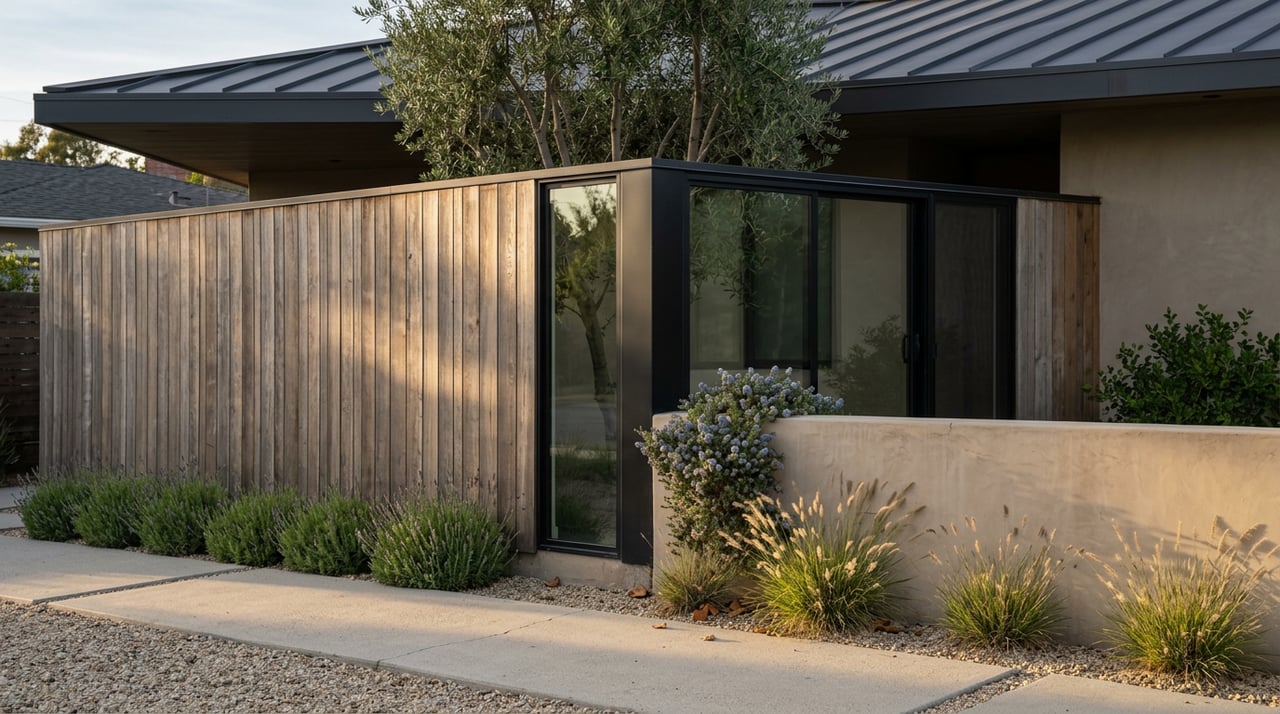
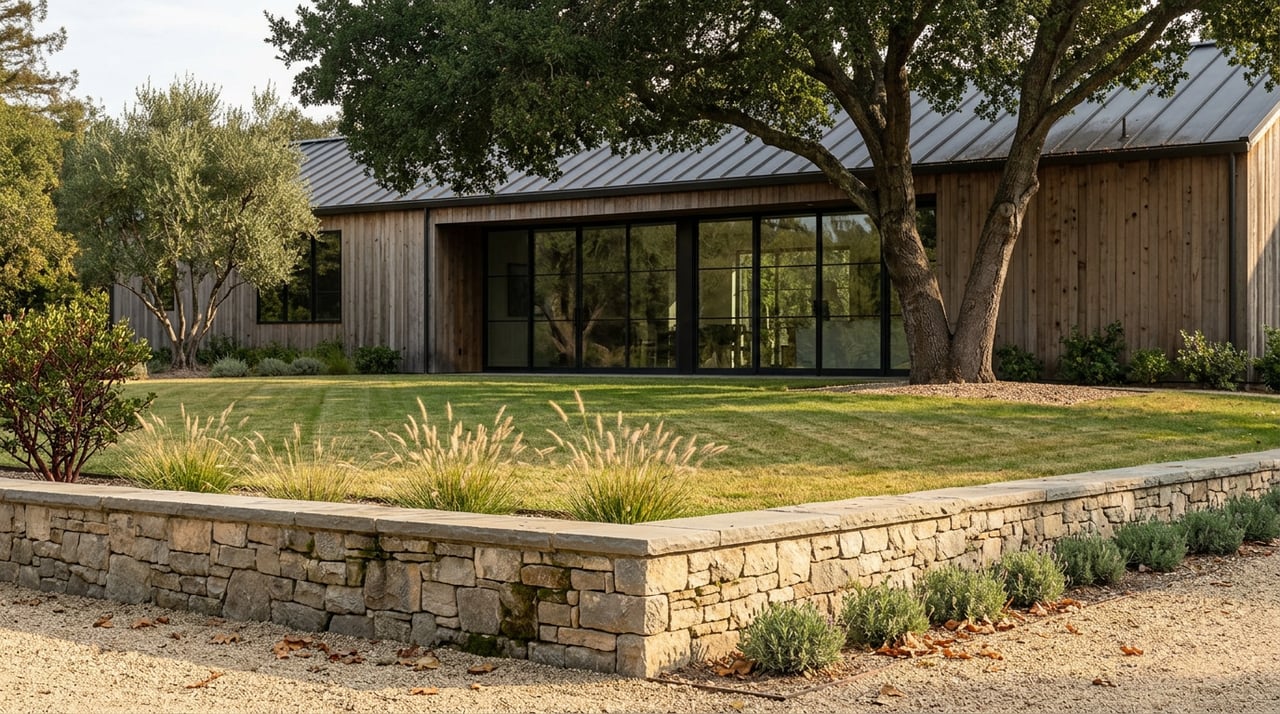
Contemporary / New Construction
- Era: 1990s to present.
- Exterior signs: cleaner lines, large windows, and open, flexible floor plans. Many feature premium finishes and modern energy standards.
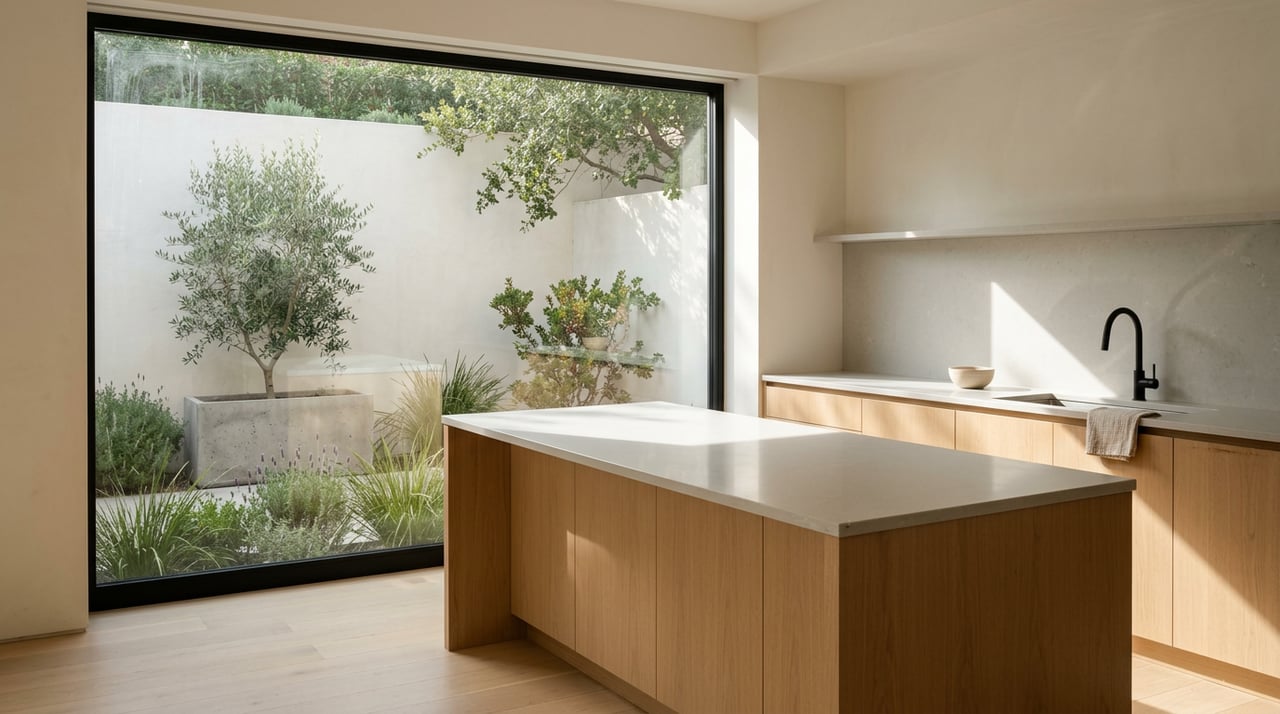
- How it lives: large kitchens, great rooms, generous bathroom counts, and dedicated office or flex spaces. Many are designed for high-function daily life.
- What to watch: complex systems like home automation and extensive glazing require specialized care. Infill projects can be subject to tree protection and design review.
- Best fit: you want turnkey amenities and newer building systems.
- Where you will see it: throughout Palo Alto as replacements or major remodels, including Midtown and areas off California Avenue and Embarcadero.
Neighborhood snapshot: where styles cluster
- Old Palo Alto and Crescent Park: early 20th-century homes with Craftsman, Colonial Revival, Tudor, and some Victorian-era houses. Larger lots and mature streetscapes are common. Many interiors have been remodeled for modern life.
- Professorville: historic district near Stanford’s early growth with a strong concentration of Craftsman and other early styles.
- South and Central Palo Alto: postwar tracts with mid-century modern and Eichler pockets that highlight single-level living and open plans.
- Midtown, California Avenue, Embarcadero areas: a mix of original bungalows, remodels, and newer contemporary infill homes.
If you are considering alterations or additions, understand that historic areas and tree protection rules can shape what is allowed. Always confirm a property’s status and past permit history before committing to a plan.
Permits, retrofits, and rules to know
- Historic and design review: Some properties are listed in local historic resources or lie within districts where exterior changes need review. Check status early if you plan exterior updates.
- Additions and ADUs: State law makes ADUs more feasible, but local setbacks, tree protection, and design rules still apply. Verify whether existing spaces were permitted and what is possible on your lot.
- Seismic safety: Older homes often benefit from foundation anchoring, chimney bracing, and strengthening of cripple walls or unreinforced masonry. Ask your inspector whether a structural engineer should review findings.
- Energy and comfort: Many older homes have single-pane windows, limited insulation, and older HVAC. Plan for insulation, window upgrades, and efficient systems to improve comfort and reduce operating costs.
- Utilities and original systems: Expect legacy electrical like knob-and-tube or older fuses in pre-1970 homes and galvanized plumbing in some. Replacement is a common long-term improvement.
- Trees and site constraints: Mature trees are part of Palo Alto’s character and can be protected. Tree rules can affect demolition, grading, and staging.
Touring checklist by style
Universal items for any home
- Roof age and condition, plus attic insulation and ventilation where accessible.
- Foundation and drainage signs, including settlement or moisture.
- Electrical service and panel type, presence of older wiring, and GFCI protection.
- Plumbing materials, visible corrosion, and water pressure.
- Heating and cooling age, distribution type, and performance.
- Windows and doors, including glazing type and wood condition.
- Exterior siding and stucco, including paint and cracking.
- Seismic vulnerabilities such as unanchored foundations and unbraced chimneys.
- Pests or prior pest damage.
Craftsman and Victorian focus
- Porch structure and decorative wood trim for rot or separation.
- Original windows and built-ins to assess condition and preservation potential.
- Electrical upgrades from older systems to modern breakers and wiring.
Spanish / Mediterranean focus
- Stucco cracks and moisture at planters or grade transitions.
- Clay tile roofs for broken tiles and underlayment age.
- Masonry elements for seismic bracing needs.
Mid-century and Eichler focus
- Flat or low-slope roofs, flashing, and insulation.
- Large glass panels and clerestory windows for seal failure.
- Radiant heat function and slab moisture observations.
- Atrium and skylight waterproofing.
Contemporary and new-build focus
- Window and door quality, including installation details.
- System complexity such as automation, solar, and EV charging.
- Permit set and warranty coverage; confirm final inspections.
How to choose your fit
Start with how you live day to day. If you want a one-level plan with yard connection, mid-century or some Craftsman bungalows may fit best. If you love formal rooms and traditional curb appeal, Tudor or Colonial Revival can be a match. If you want new systems and flexible layouts, a contemporary home might reduce near-term projects.
Next, plan for upkeep. Historic wood trim, clay tile roofs, and original single-pane glass are beautiful but need care. Mid-century homes often shine after targeted energy and seismic upgrades. Contemporary homes trade older-house charm for modern efficiency and lower immediate maintenance.
Finally, align neighborhoods with your routine. Early cores near downtown offer historic character and walkable streets. Postwar areas offer open plans and single-level living. Infill homes appear throughout the city if you prefer newer construction.
When you are ready to tour, bring a practical checklist, ask for permit histories, and be open about your future plans so you can verify feasibility early.
Next steps
If you are weighing Palo Alto styles, a local lens helps you see both charm and tradeoffs. You deserve guidance that balances architecture, maintenance, and resale considerations with a clear plan. Reach out for a focused strategy session, tailored tours, and inspection-forward advice that matches your goals. Connect with Annemarie Heynig to schedule your Free Consultation.
FAQs
Which Palo Alto neighborhoods feature historic Craftsman homes?
- Look to early residential cores such as Old Palo Alto, Professorville, and Crescent Park, where early 20th-century development concentrated Craftsman bungalows.
Are Eichler homes common in Palo Alto and nearby areas?
- Yes, you will find mid-century modern pockets in South and Central Palo Alto with Eichler or Eichler-style tracts focused on open plans and indoor-outdoor flow.
How restrictive are historic rules for exterior changes?
- It depends on whether a property is listed or within a designated district. Some exterior changes require review, so check status early if you plan renovations.
Do older Palo Alto homes usually need seismic upgrades?
- Many benefit from foundation anchoring and chimney bracing, especially if built before modern codes. Ask your inspector if a structural engineer should evaluate.
Should I expect to upgrade systems in pre-1970 homes?
- Often yes. Electrical, insulation, HVAC, and plumbing improvements are common in older homes and can improve comfort, safety, and efficiency.