Is a sweeping valley or Bay view worth paying more for in Los Altos Hills? If you own or are shopping here, you have likely felt the pull of a sunlit terrace and an endless horizon. You also want to be smart about what that view is really worth and what it takes to preserve it. In this guide, you’ll learn how views influence value in Los Altos Hills, what trade-offs to watch for, and practical ways to price, plan, and invest with confidence. Let’s dive in.
How views add value in Los Altos Hills
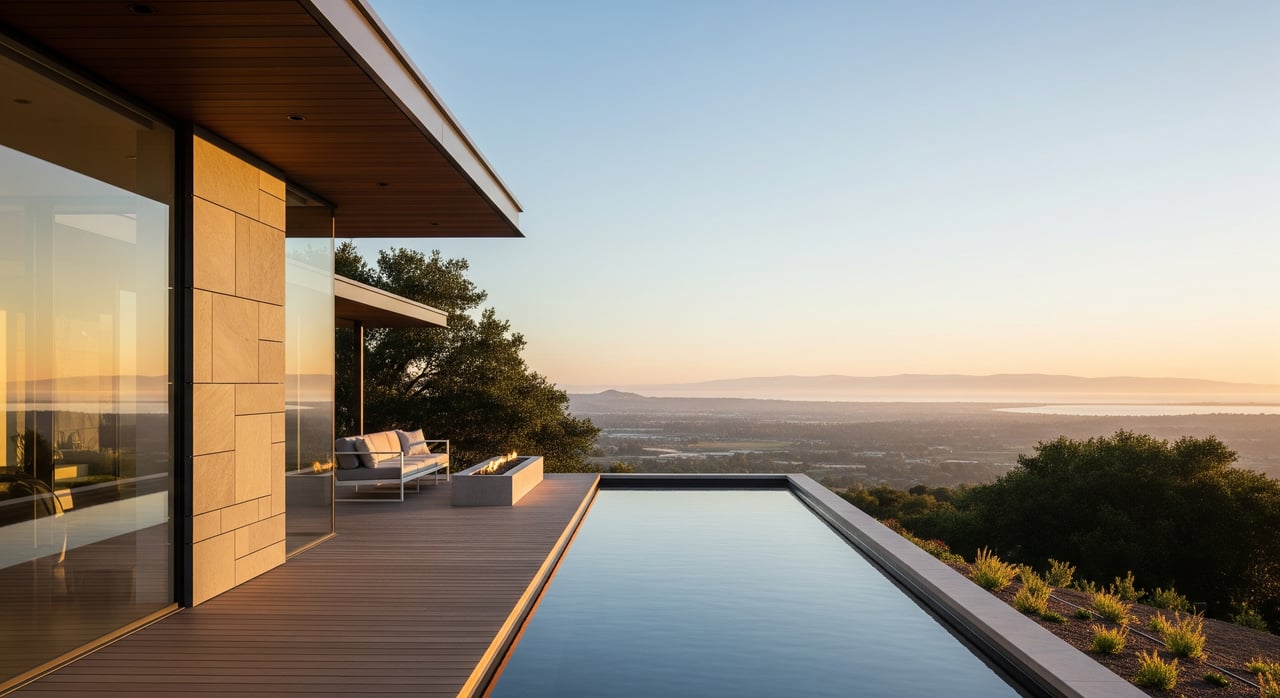
Views carry more weight in Los Altos Hills than in typical suburban areas. Large lots, hillside terrain, and a buyer pool that values privacy and outdoor living make view quality a real driver of price.
View types buyers notice
- Iconic or long-distance: Bay, skyline, bridges. Rare and highly sought.
- Panoramic valley or cityscape: Broad sweep over the valley floor.
- Near or landscape: Rolling hills, tree canopy, private gardens.
- Partial or seasonal: Glimpses between trees or views that appear in certain seasons.
Permanence matters. Views backed by protected open space or ridge positions tend to be more durable than views that may be blocked by tree growth or future development.
Who tends to pay a premium
- High-income professionals who prioritize privacy, design, and lifestyle often pay more for dramatic, private vistas.
- Family-focused buyers who want a flat yard, quick access, or larger interior space may trade away some view premium.
- Empty-nesters or retirees often seek low-maintenance homes with scenic outlooks and strong outdoor living.
How appraisers consider views
Appraisers usually rely on the sales comparison approach, using matched pairs of similar homes with and without comparable views to isolate the premium. They examine view quality, scale, and permanence, not just whether a view exists. Lenders expect documented nearby comps to support any premium.
What premiums look like in practice
- Minor or partial views often show little to no measurable premium.
- Clear, private everyday hill or valley views can be modestly positive, especially when paired with functional outdoor living.
- Panoramic or iconic Bay and skyline views can command larger premiums in strong markets, sometimes in the higher single digits to low double digits by percentage. Results vary by micro-location and market cycle.
Trade-offs and real-world constraints
Not every view is easy or cheap to achieve. Hillside lots come with unique considerations that affect cost, daily use, and long-term value.
Slope and buildability
Steeper lots may deliver better views but raise construction complexity and cost. Expect specialized foundations, retaining walls, and careful drainage. Usable flat yard is harder to create, which can impact how much buyers value the outdoor spaces.
Access and daily use
Long or steep driveways can be inconvenient and costly to maintain. Heavy storms can expose drainage or erosion issues. Utilities, including septic or well systems, may need upgrades if you add space to capture the view.
Outdoor living integration
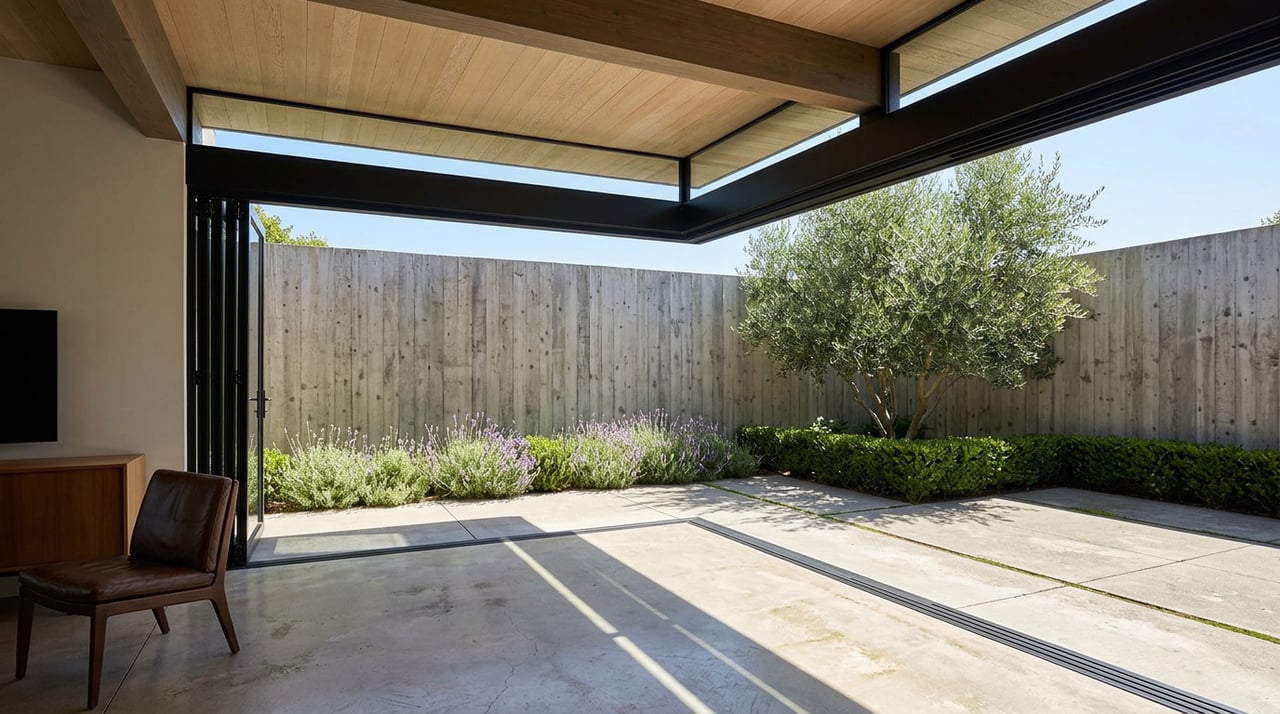
You get more value when the view connects to how you live. Large terraces, level patios, outdoor kitchens, and pool areas amplify buyer demand. Converting a slope to usable terraces can be costly, but it can unlock real value if done well.
Environmental and long-term risks
Tree growth, new plantings, or neighboring development can reduce view quality over time. In hillside areas, wildfire risk influences insurance costs and ongoing vegetation management. Erosion or drainage problems can follow after heavy grading or tree removal.
Typical cost categories to consider
- Geotechnical and soils studies, plus drainage design.
- Grading and retaining walls for steep lots.
- Driveway and access upgrades for slope and emergency access.
- Tree assessment or removal and replanting, with permits as required.
- Septic and well system upgrades or fire-suppression improvements.
- Structural foundation work and hillside-experienced contractors.
How to estimate your view premium
If you are pricing a home or weighing a purchase, use a structured approach to keep the analysis objective.
Matched-pair method (most reliable)
Find recent sales that are nearly identical except for the view. Adjust for square footage, condition, lot size and topography, parking, and amenities. The remaining price difference points to the view premium. Ideal pairs are on the same street or ridgeline within the last 6 to 12 months, adjusted for any market trend.
Broader analysis when data is thin
A regression or hedonic-style checklist can help across a larger set of similar sales. This is more data-intensive and often handled by appraisers or analysts to derive consistent percent adjustments for view categories.
Comparable sales checklist
- Geography: same neighborhood, same street, or same ridgeline when possible.
- Timing: recent sales, ideally within 6 to 12 months.
- Lot and topography: similar size, slope, and orientation.
- Structure: similar living area, bed/bath count, and construction quality.
- Amenities: pool, ADU, garage, major renovations. Adjust or avoid as needed.
- View classification: document type and angle from main living areas and outdoor spaces.
Adjustment priorities when reconciling comps
- Condition and recent renovations.
- Square footage based on local price per square foot trends.
- Lot size and usability, including flat yard versus steep slope.
- Presence and quality of the view.
- Outdoor living features tied to the view, such as terraces or pools.
- Parking, access, and utilities.
Smart upgrades that buyers value
If you plan to improve or market a view home, focus on changes that connect the view to everyday living and show well in photos.
- Step 1: Request a focused, local market analysis that compares nearby view and no-view sales.
- Step 2: Commission a geotechnical assessment to understand buildability and costs for decks or terraces.
- Step 3: Prioritize projects that bring the view into main living areas, expand terrace space, and add covered outdoor zones.
- Step 4: Plan vegetation management for view corridors, checking permit requirements and defensible-space rules.
- Step 5: Document views with professional photography and drone imagery from primary rooms and entertainment areas.
Buyer checklist for view homes
- Confirm view permanence: Is the lot backed by open space or could neighboring parcels be built out?
- Test livability: Check driveway slope, garage placement, and wet-weather access.
- Demand data: Ask for matched-pair comps that justify the premium.
- Appraisal support: Hire an appraiser familiar with Los Altos Hills to confirm assumptions.
- Budget for upkeep: Include septic or well maintenance, driveway care, and wildfire vegetation management.
Bottom line
Views can add real value in Los Altos Hills, but it depends on the type, permanence, and how well the view is integrated into usable outdoor living. Use matched-pair comps, weigh slope and access trade-offs, and choose improvements that make the view part of daily life. If you want help assessing your options or preparing a view-forward listing, let’s talk about a plan tailored to your property and goals.
Ready to evaluate your view, pricing, or upgrade plan? Connect with Annemarie Heynig for a personalized strategy.
FAQs
How much do Bay or skyline views typically add in Los Altos Hills?
- Premiums vary by micro-location, permanence, and market cycle, but panoramic or iconic views can command larger premiums, sometimes higher single digits to low double digits by percentage.
What is the best way to prove a view premium to a lender?
- Use matched-pair comparable sales from the same street or ridgeline, adjust for size and condition, and document the view quality from main living areas and terraces.
Are tree removals or trimming allowed to improve a view?
- Tree work often requires permits, and you must also follow defensible-space rules in hillside areas; always check local regulations before planning vegetation changes.
How do slope and driveway access affect value on view lots?
- Steep slopes can increase build and maintenance costs and reduce usable yard, while long or steep driveways can impact daily convenience, both of which influence marketability.
What should sellers do before investing in terraces or decks for views?
- Start with a focused market analysis, get a geotechnical opinion on buildability and cost, and prioritize improvements that connect the view to main-level living and functional outdoor spaces.
What should buyers verify before paying a view premium?
- Confirm view permanence, test access and everyday usability, review matched-pair comps, and consider an appraisal and site-specific assessments for hillside conditions.