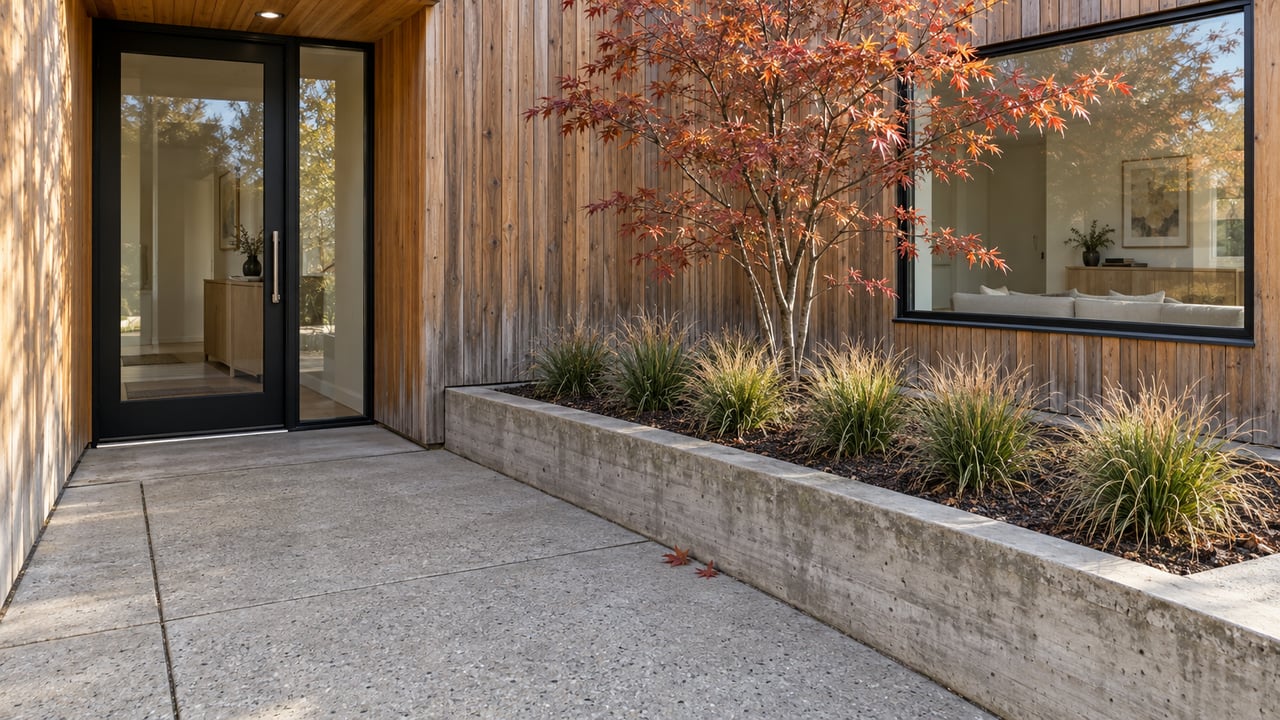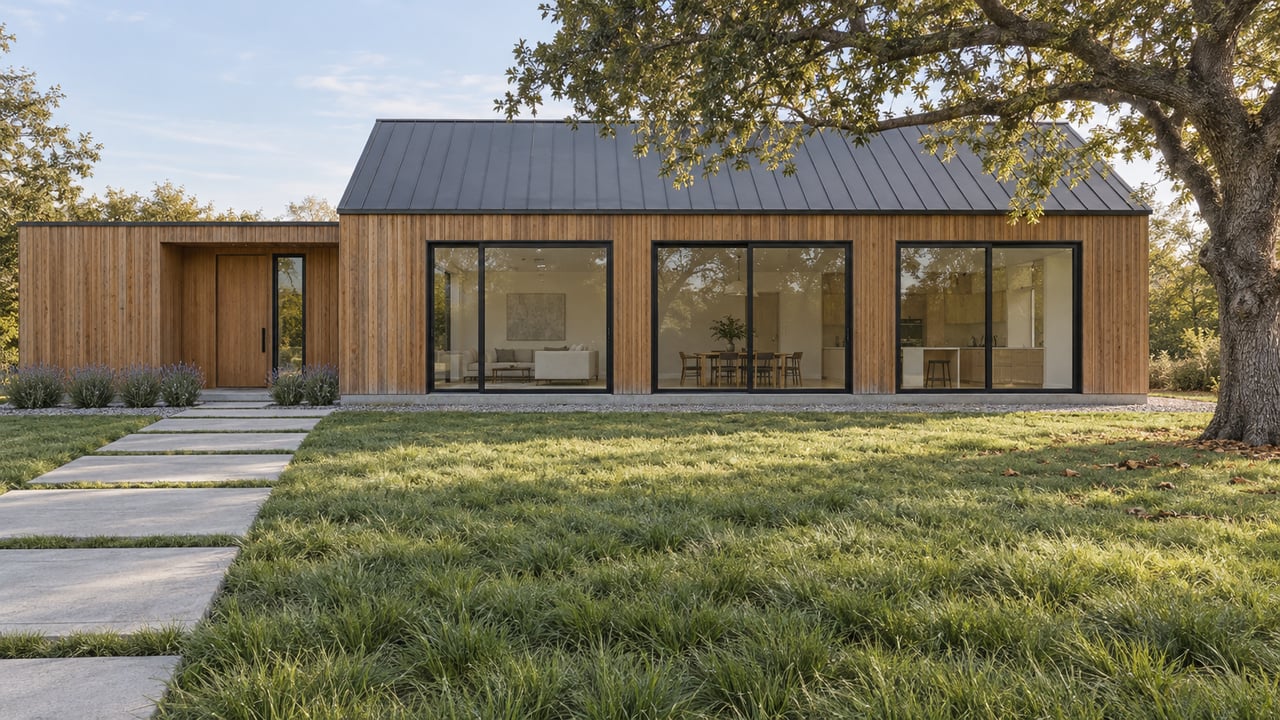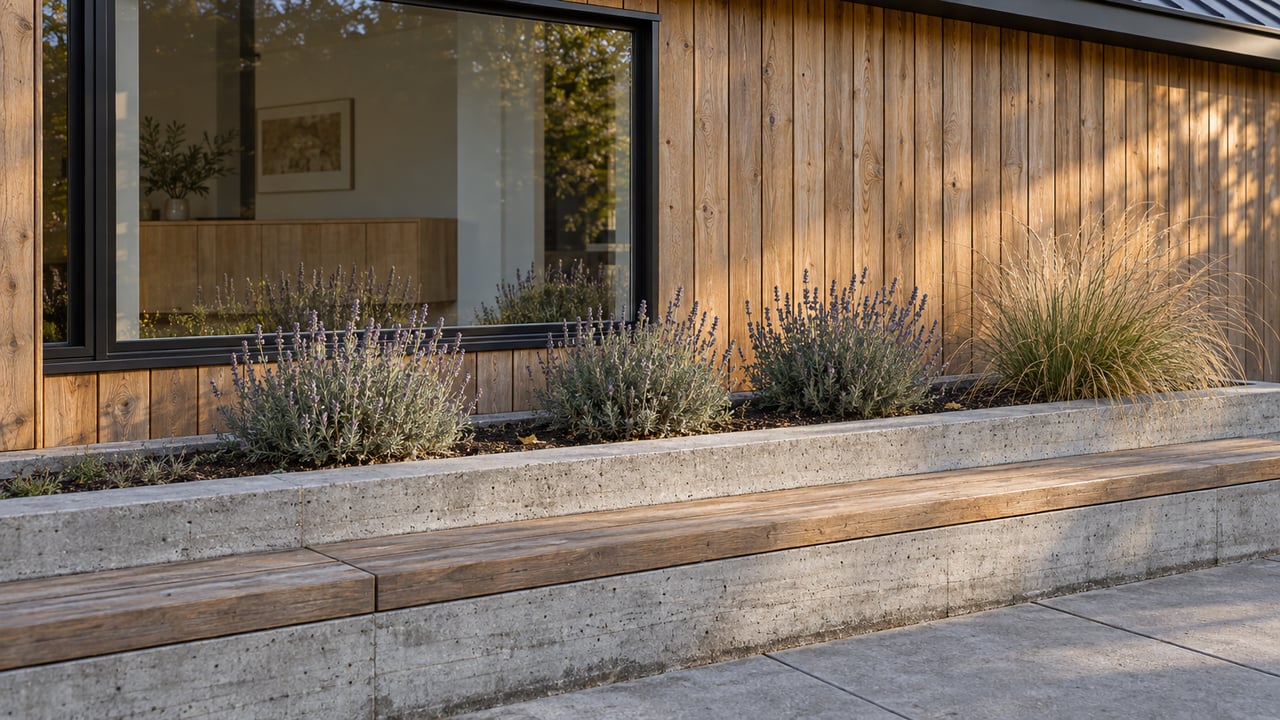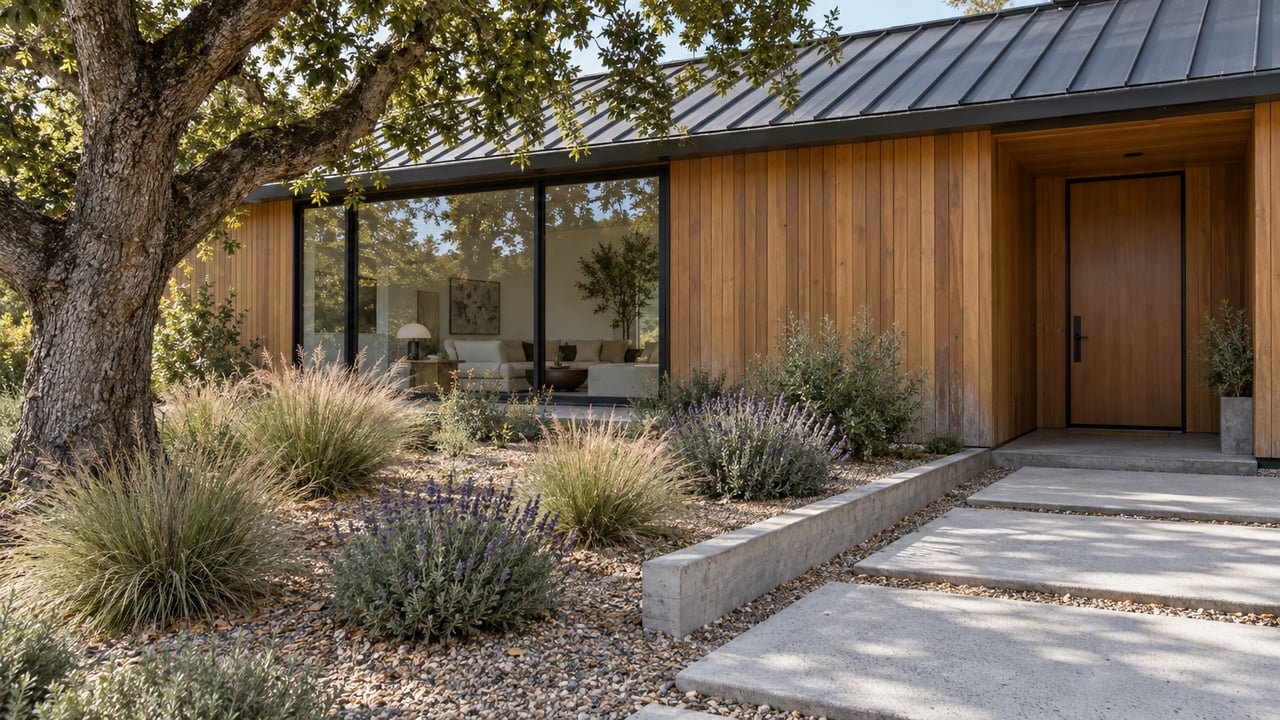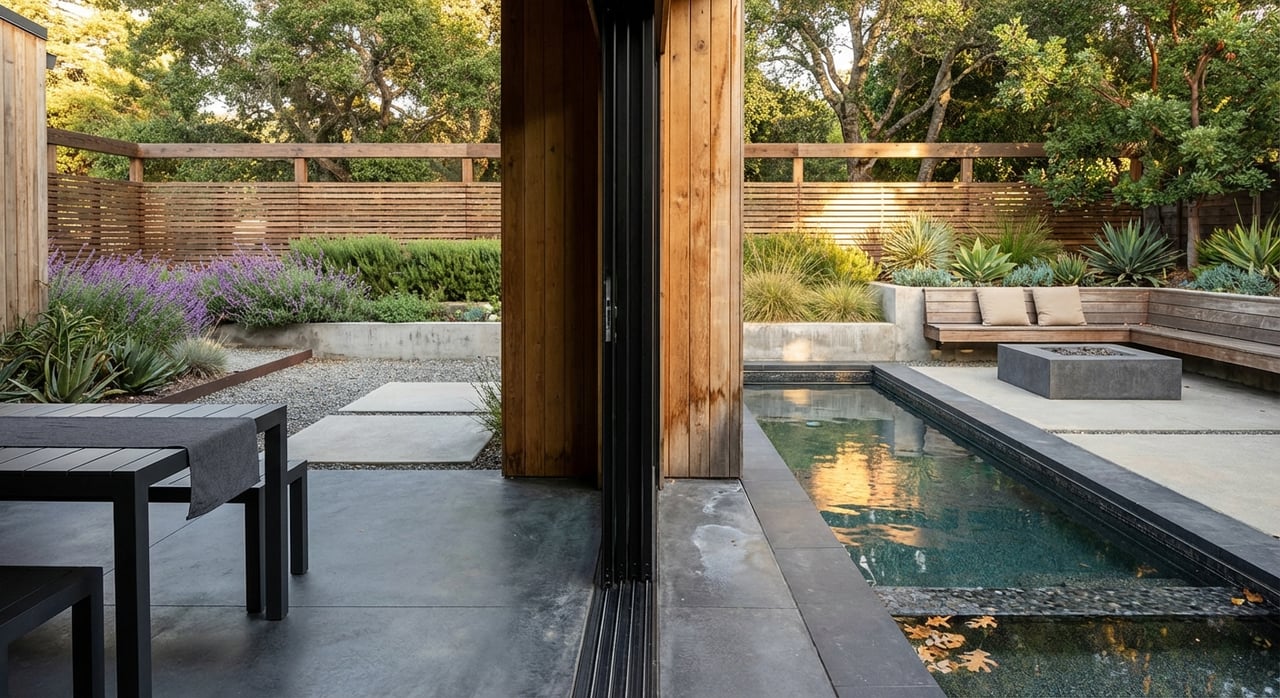
What could your Los Altos Hills yard do for daily life and resale if it felt like a true outdoor room? With hillside views, shifting microclimates, and local fire safety rules, great design here is more than furniture on a patio. You want a plan that fits the land, meets codes, and stays beautiful with low stress. In this guide, you’ll learn how to place terraces and pools, navigate permits, plan for wildfire safety, and budget for costs and ROI. Let’s dive in.
Start with site and microclimate
Los Altos Hills lots vary widely in slope, elevation, and exposure. Where you set a terrace or pool will depend on view corridors, privacy, and how much grading the site can handle. Morning fog and afternoon sun can change comfort hour by hour, so test your favorite spots at different times of day.
Local weather patterns matter. The Peninsula’s marine layer and inland warmth create quick swings in temperature and wind. Use flexible shade and wind screens so outdoor rooms stay comfortable in all seasons. You can get a sense of fog and sun patterns from the Bay Area’s marine layer tracking tools like the San Francisco Chronicle’s interactive fog project at the Bay Area fog tracker.
Wildfire safety should guide your layout and materials. Follow Home Ignition Zone practices with noncombustible surfacing in the 0–5 foot zone and smart spacing out to 30–100 feet. The Los Altos Hills County Fire District shares practical defensible space steps on its vegetation management page.
Permits and rules to know
Site development and grading
Many outdoor projects here need Planning review. New pools, large terraces, major hardscape, tall fences, and retaining walls often trigger a Site Development Permit and neighbor notice. Check the Town’s zoning and permit triggers in the municipal code for site development.
On steep lots, grading exceptions are common for pools and decks. These can add hearings, story poles, geotechnical reports, and conditions to your approval. Town agendas show examples of pool and patio approvals tied to grading policies in the Planning Commission records.
Building code and electrification
Los Altos Hills applies the California Building Standards Code as locally adopted. This sets structural, energy, and electrical rules that affect decks, outdoor systems, and new construction. Review current local amendments and any electrification policies through the Town’s building code adoption update before you finalize plans.
Fire access and pools
Some pools and water storage systems must provide access for fire apparatus. Plan equipment pads and access lanes early so they do not conflict with views or planting. Town code references these requirements; confirm details while planning by reviewing the fire access and water source section.
Septic and plumbing impacts
About half of local properties have onsite septic systems. Adding outdoor bathrooms, pool houses, or kitchens may require septic review or upgrades by the County, especially if you add fixtures. Check requirements with Santa Clara County Environmental Health’s OWTS upgrade guidance before you design plumbed amenities.
Pool safety law
Newly permitted private pools and spas in California must include at least two approved drowning‑prevention safety features. These may include compliant fencing, safety covers, exit alarms, and self‑closing, self‑latching devices. See the California Swimming Pool Safety Act summary at the state Health and Safety Code reference.
Design strategies that work here
Terraces and dining platforms
- Choose orientation based on comfort and use. South and southwest terraces capture late sun and views. If mornings are cool under a marine layer, consider a sheltered east or southeast platform for earlier warmth.
- Use flexible shade to handle quick weather changes. Retractable canopies, operable pergolas, and wind screens keep the space usable most of the year.
- Minimize visual clutter in railings while meeting guard height and structural rules. Confirm local guard requirements early during design.
- On slopes, step decks with the grade and use engineered piers and subdrainage. This often reduces cut and fill and helps stormwater management.
Pools that fit the land and the code
- Pick a location with minimal tree removal and excavation. Keep equipment accessible, screened, and away from prime views. Confirm any fire access needs during early layout.
- Design safety features from day one. You will need two qualifying measures under California law. Plan gates, latches, covers, and alarms to pass inspection.
- If you want a pool house or bathroom, check septic capacity first. Septic limits can drive design decisions, fixture counts, and timelines.
- For resale, focus on a turnkey system. Document equipment, service history, and safety features so buyers feel confident.
Fire features and outdoor kitchens
- Choose contained, gas‑fueled fire features and noncombustible surrounds. Keep the 0–5 foot zone around structures clear and hardscaped per defensible space guidance.
- Review local energy rules if you plan outdoor appliances. Some electrification policies affect new construction, with potential exemptions for outdoor systems. Confirm your options with the Town before you spec gas lines or high‑draw equipment.
Planting and hardscape that thrive
- Favor drought‑tolerant, low‑maintenance species suited to our Mediterranean climate. Group plants by water needs and use efficient drip irrigation.
- Keep organic mulch out of the 0–5 foot ignition zone near structures if you are in a high fire‑hazard area. Use gravel or stone in that immediate zone.
- Consider water rebates to offset upgrades. Santa Clara Valley Water offers programs for turf removal, irrigation improvements, and outdoor conservation. Explore current options on the Valley Water programs page.
Budget, ROI, and timeline signals
Every site is different, but you can use regional benchmarks to set expectations.
- Decks and patios. Remodeling’s Cost vs. Value 2025 report shows wood decks recoup a high percentage of cost, with composite decks slightly less. Backyard patios tend to recoup a lower share. Use these as directional signals when weighing scope for resale. See the latest benchmarks at Cost vs. Value.
- Pools. Base pool installs can reach well over $100k after excavation, decking, fencing, equipment, and hillside work. Lifecycle costs add ongoing ownership expense. Resale value depends on buyer preferences and how turnkey the system is at sale.
- Permits and timing. Plan for geotechnical work, plan check, inspections, and possible hearings, especially if grading exceptions are in play. Building in contingency for both cost and time reduces stress.
A step‑by‑step planning checklist
- Walk the site with a notepad. Map sun and wind, slopes, tree driplines, utilities, and view lines from key rooms.
- Call Town Planning and Building early. Ask if your scope needs a Site Development Permit, grading permit, or hearings, and request the submittal checklist.
- Confirm fire defensible space needs. Note clearances in the 0–5 foot and 5–30 foot zones and plan hardscape and planting around those rules.
- Verify wastewater capacity. If on septic, get an OWTS assessment before adding outdoor bathrooms or a pool house.
- Hire a geotechnical engineer for sloped sites. The report will guide retaining walls, drainage, and whether you need grading exceptions.
- Set a water budget and explore rebates. This helps right‑size irrigation and reduce long‑term costs.
- Design for maintenance and safety. Pick durable materials, document equipment, and incorporate California‑compliant pool safety features.
- Add a 20–40 percent contingency for hillside surprises. Rock, roots, or mitigation conditions can add cost quickly.
Bring it back to lifestyle and resale
The best outdoor spaces in Los Altos Hills feel natural to the site and effortless to live with. They frame views, balance sun and wind, respect fire safety zones, and pass inspection without drama. When you plan with those factors in mind, you protect daily enjoyment and future resale.
If you want a second opinion on scope, timing, and what today’s buyers value, let’s talk. As a local listing and buyer specialist, I help you prioritize upgrades that support your lifestyle now and position your home well later. Start the conversation with Annemarie Heynig.
FAQs
What permits do I need for a pool in Los Altos Hills?
- Most new pools require Planning review, building permits, and compliance with pool safety features; fire access and septic capacity can also affect approvals.
How does wildfire risk change my landscape plan?
- Use noncombustible surfaces in the 0–5 foot zone, reduce fuels out to 30–100 feet, and choose fire‑wise planting and hardscape to meet defensible space guidance.
Will an outdoor kitchen or pool house impact my septic system?
- Often yes; new plumbing fixtures can trigger septic review or upgrades, so confirm capacity before you design bathrooms or sinks.
What ROI should I expect from decks and patios?
- Wood decks tend to recoup a higher share of cost than patios in Cost vs. Value reporting; use this as a guide when balancing scope against resale.
How long does permitting usually take for hillside projects?
- Expect a multi‑month path if grading exceptions or hearings are needed; add time for geotechnical reports, plan check, inspections, and any conditions of approval.